By Adele Annesi

Word for Words is by author Adele Annesi. For Adele's website, visit Adele Annesi.

Monday, April 10, 2023

The Subtle Persuasion of Poetry in Prose

“I'm a failed poet,” wrote twentieth-century novelist and short-story writer William Faulkner, author of Light in August and winner of the Nobel Prize for literature. Faulkner also said it might be true that all novelists start out wanting to write poetry and when they find they can't, they try the short story. Then failing that, they finally try writing novels. Regardless of a writer’s interest or genre, there’s much to learn from the precision, imagery and persuasiveness of poetry.
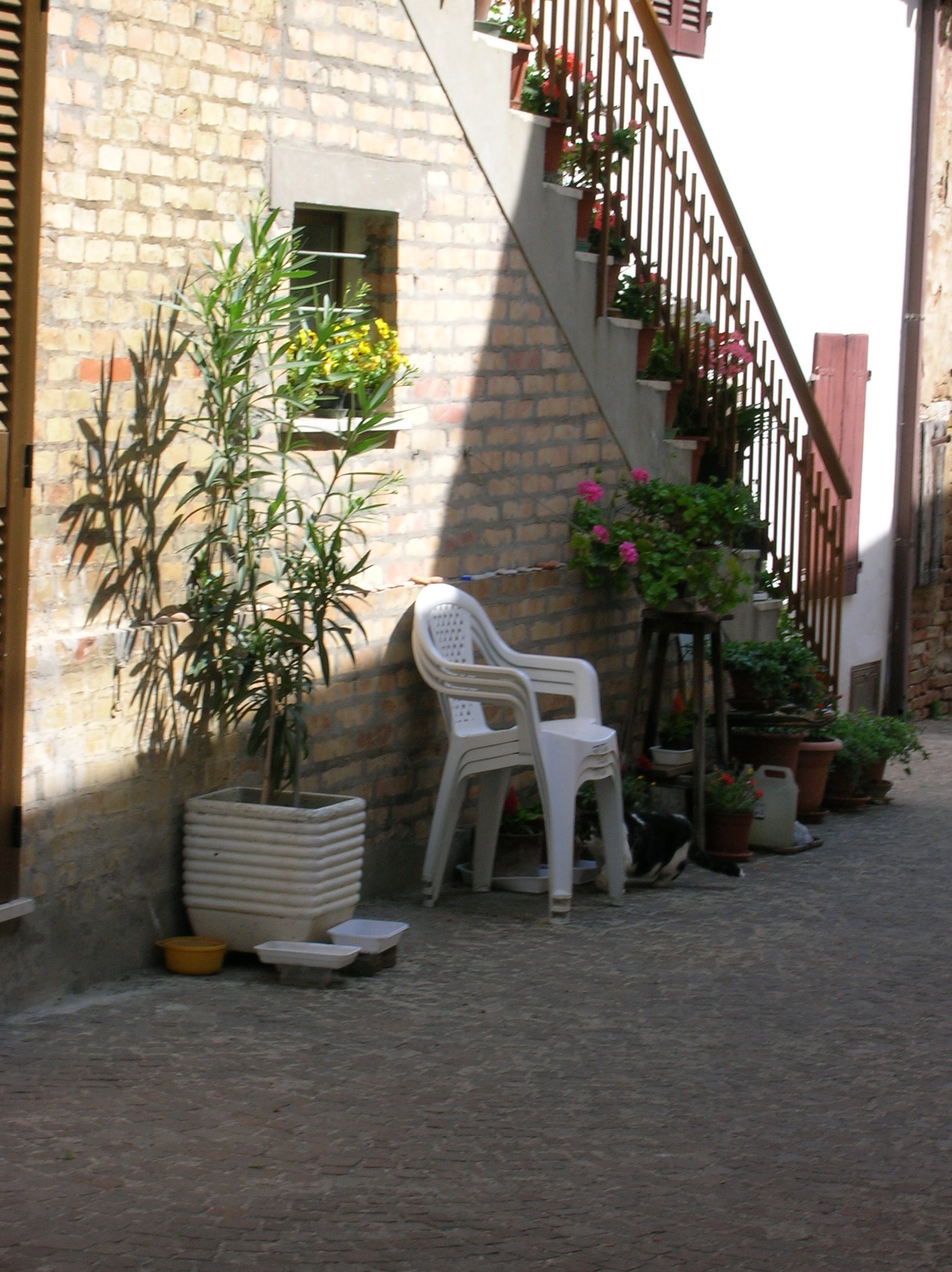
Like most people, writers don't have a lot of spare time, and when they do, they may not naturally gravitate toward poetry because they have other projects that take precedence. And for the writer immersed in prose, a poem can feel too much like an alien landscape, an inaccessible world. Yet, poems often have an elemental, Edenic quality that invites readers in and bids them stay a while.

On particularly harried days, writers can find the clean, spare language of poetry to be a balm. Yet, poems can also provide lessons and examples. For instance, one evocative noun can replace a string of adjectives and create a clear picture that opens the door of story for readers. A writer who makes deliberate word choices says, in essence, "I want you to know what this is about, who the people in this story are."

This isn't the same as giving away the entire premise or plot upfront. Instead, it creates an atmosphere of trust that engages readers and encourages them to read on.

Poets often say that poetry is all about imagery. At first blush, may sound like poets craft their pieces only for the senses, not for substance. But when an image accurately conveys what the poet intended, substance is implied.

The corollary for the writer is a well-grounded scene that reveals character and advances plot, preferably both at once. Even misleading scenes, when done intentionally and well, have their place. Where would mysteries and thrillers and thrillers be without them?

One surprising aspect of poetry that's just as useful to prose writers is the artful ability to persuade. Small, subtle words like "so" and "for" and "since", unobtrusive in their commonality, are woven into a poem’s fabric to draw the reader to the poet's perspective. From there, the message conveyed through language is conjured by words that rise gently from the page to form a picture in the reader's mind.

And for poets and prose writers alike, if there is no image, there is no scene, and if there is no scene there is no story.

Often accused of being inaccessible, poetry isn't always understandable. Neither are people, or life. Yet, even when understanding doesn't arise, images still appear, with the intentionality of the chosen words giving those images substance.

Whether we read or write poems, prose or both, less is often more, and in such simplicity one often finds rest. 

To see a world in a grain of sand,
And a heaven in a wild flower,
Hold infinity in the palm of your hand,
And eternity in an hour.
"Auguries of Innocence," William Blake

Happy writing! Adele Annesi is an award-winning author, editor and teacher. For questions on writing, email Adele Annesi. Adele’s new novel is What She Takes Away (Bordighera Press)

Monday, March 13, 2023

The Use of Braided Narrative in Novel-Writing and Memoir

Whether you write fiction or memoir, you’ll eventually need more than one person to help tell your story. Here are considerations for using a braided narrative approach to create a point-counterpoint storyline that’s informed by and greater than the sum of its parts.

A braided narrative is when more than one primary person is involved in telling a story. As with the concept of a braid, the number of people telling the tale usually is limited to two or three. This approach differs from the use of multiple perspectives in these ways:

  • Each person’s contribution to the story is roughly the same length as the others’.
  • Each person’s role in telling the story is generally equal in importance to the others’.
  • There is a clear alternating pattern in who’s telling the story. For example, Person A may present the first three sections, Person B the second three, and Person C the third three. Then the pattern repeats.
  • Although the perspective in memoir won’t change from first person, the story can still be structured based on who else besides the writer figures prominently in the work.

To use braided narrative effectively, consider these steps:

  • List the individuals who will figure most prominently in the story.
  • Next to each, note which part of the story the person will tell, for example, backstory, current events or future outcome, or a combination thereof.
  • Also next to each, note how the person will relate to, compare with and contrast to the other individuals.
  • For fiction, decide the perspective of each character—first, second or third person.
  • For both fiction and memoir, decide whether each person is reliable.
  • As a note, even in memoir, people may have a strong perspective but still be undependable in what they think, feel, say and do.

As you develop your story, consider how the overall function of your braided narrative:

  • Will some parts of the narrative slow the story (pacing) to give the reader time to get to know the people in the story (progression)?
  • If so, how and where will these points occur?
  • How will gender figure into telling the story?
  • For example, how will one person’s perspective and personality illuminate the others’ perspectives and personalities?
  • How will the narrative braids draw the reader in and offer a more complex and satisfying reading experience?

Last, consider how and where in the story the narrators’ lives will intersect:

  • At what points in the story will their lives traverse?
  • What forms will these interactions take, for example, chance meetings, arranged unions or reunions, indirect connections?
  • How will these interactions inform the story and reveal the other people in it?
  • How will the narrators’ thoughts, recollections, emotions and plans effect each other?
  • Where will they diverge, and what will the divergences look like?
  • What will each person learn that wouldn’t have been possible to know without the others?
  • How and where in the story will these revelations occur, and what will their outcome be?
  • What surprises will there be, especially at the end of the story, that wouldn’t have come about without the narrators’ involvement?

For both fiction and memoir, the use of a braided narrative can heighten the contrast between one person’s perspective and another’s, especially when dealing with pivotal life events. A braided narrative can also add diversity in setting, theme, ethnicity, culture, social mores and identity to yield a story rich in nuance, texture and depth, and, most especially, a story that is memorable for the right reasons.

More on Adele’s new novel is What She Takes Away (Bordighera Press), on the warp and weft of family and inspiration:

The weaver's shuttle turns when fabric designer Gia Falcini receives a gift from her estranged father in Italy that sparks a journey to Milan, her father’s hillside village and new stepfamily, and a local fabric mill that could shred Gia's aspirations or offer a legacy worth taking away.

For Adele’s new novel on Amazon, click on What She Takes Away (Bordighera Press).